







There are various types of saunas, differing in heating method, humidity, and installation location. These saunas are made from different materials and have varying characteristics. One can distinguish between traditional Finnish saunas (dry saunas), steam baths (high-humidity saunas), and infrared cabins. Temperatures typically range from a more comfortable 40 to 60 degrees Celsius. In this article, you will learn about the different types of saunas, which offer the greatest health benefits, and which are best suited for your home.
What are the different types of saunas?
The main distinguishing features of the three sauna types – traditional saunas (dry), steam baths (wet), and infrared cabins – are temperature and heat source.
Temperature varies depending on the sauna type. In traditional Finnish saunas, it ranges from 70 °C to 100 °C, while in infrared cabins, it is significantly milder, staying between 40 and 60°C. Humidity also differs greatly: in Finnish saunas, it is very low and dry at about 10%, while steam baths reach a full 100% humidity.
Each type of sauna has a different heat source that influences the user experience:
Finnish saunas use wood or electric stoves to heat stones, which can then be doused with water. This infusion briefly increases both humidity and perceived heat intensity. Steam baths use steam generators to create hot, humid air that gently affects the respiratory tract and skin.
Infrared cabins use infrared radiation that directly heats the body. This gentler heat is often more comfortable for people with circulatory problems who are sensitive to high temperatures. However, infusions are not possible in infrared cabins, which changes the sauna experience.
These differences not only influence the sauna experience but also the health benefits. The high temperatures in dry saunas promote blood circulation as blood vessels dilate and the circulatory system is stimulated. The moist, mild warmth in steam baths is particularly beneficial for people with respiratory problems. Infrared cabins offer effective support for muscle relaxation and can promote detoxification of the body due to the deeper penetration of heat into the body.
Each of these sauna types offers different experiences and health benefits. Therefore, it is important to choose the sauna type that best suits individual needs and preferences.

Finnish Sauna (Classic Sauna)
The Finnish sauna, also known as a dry sauna, is a traditional sauna characterized by high temperatures of up to 100 °C and low humidity of about 10%. A wood or electric stove heats stones, which can be doused with water as needed to briefly increase humidity and perceived heat. This sauna encourages intense sweating, which supports the body's natural cleansing process. It is particularly popular due to its relaxing effect and health benefits.
KOSTENLOSES E-BOOK
Infrarotsauna oder traditionelle Sauna? Der ehrliche Vergleich
Wärme, Kosten, Gesundheit und Aufbau direkt gegenübergestellt, als kostenloses E-Book.

Infrared Cabin
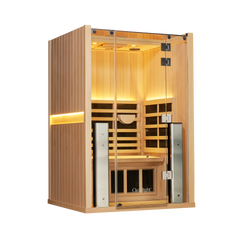
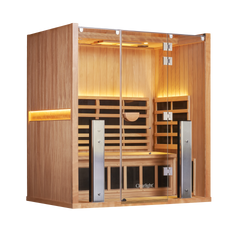
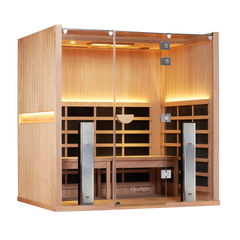
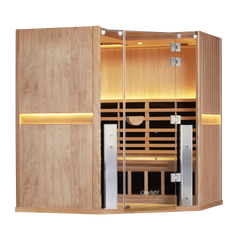
The infrared cabin is a sauna that uses infrared radiation to heat the body. Unlike traditional saunas, which heat the ambient air, the infrared cabin heats the body directly. This allows it to be used at lower temperatures of about 40 °C to 60 °C. It is important to note here that this range refers to the air temperature, which is not necessarily the best measure for considering the effectiveness of the heat or sweating.
Moreover, the entire room does not need to be heated, which reduces waiting time and enables quicker sauna sessions. The infrared radiation penetrates deep into the skin, gently promoting muscle relaxation and detoxification. Due to the milder heat conditions, infrared cabins are particularly suitable for people who are sensitive to high temperatures.

Steam Bath
A steam bath is a sauna variant with high humidity of 100% and relatively low temperatures, usually between 40 °C and 50 °C. The air is saturated with water vapor, creating a hot, humid atmosphere. Compared to dry saunas, the steam bath is gentler on the respiratory tract and skin, which is why it is often referred to as a "gentle sauna." Due to these characteristics, it is often chosen for its relaxing effect, moisturizing benefits for the skin, and positive effects on the respiratory tract, especially for people with breathing problems. The steam bath also offers a great way to enjoy a sauna experience with an oriental charm.
Earth Sauna
The earth sauna is a traditional type of sauna characterized by particularly high temperatures of up to 90-110 °C. This is achieved by using a wood-burning stove that heats the room to very intense temperatures. The earth sauna is usually installed outdoors in special earthen pits or wooden huts, giving it a rustic and natural character. Thanks to its thick walls, this sauna insulates heat well, promoting intense sweating and detoxification of the body. A disadvantage can be the greater space requirement and higher installation costs outdoors, and high temperatures are not suitable for everyone. Nevertheless, the earth sauna offers exceptional health benefits, such as strong detoxifying effects, muscle relaxation, and improved circulation.

Bio-Sauna
The bio-sauna is a milder form of sauna where the temperature is between 40 °C and 60 °C, and humidity is maintained at a medium level of about 40–50%. An electric stove with a steam function allows the bio-sauna to be adjusted to the user's preferences, making it particularly comfortable for people who are sensitive to high temperatures. The mild temperatures make it an ideal choice for those seeking a gentle sauna experience. The use of essential oils is also typical for bio-saunas, which can enhance the relaxation effect and positively influence the respiratory tract. It can be installed both indoors and outdoors, offering flexibility in location. The main advantage of the bio-sauna lies in the possibility of gentle detoxification and support for the respiratory system with moderate humidity. A potential disadvantage could be the lower heat intensity, which may be less suitable for individuals who prefer more intense conditions. Nevertheless, the bio-sauna is ideal for those seeking a mild but effective way to relax and promote health.
Hammam
The hammam, also known as a Turkish bath, offers a mild climate with temperatures between 30 °C and 50 °C, making it an ideal place for relaxation and rejuvenation. The heat in the hammam is generated by underfloor and wall heating systems, as well as steam generators that create a humid environment which promotes skin regeneration. Typically, the hammam is installed in luxurious interiors, where various care routines such as massages and peels can be performed in addition to saunas. An advantage of the hammam is the deep skin hydration and relaxation, as well as support for the respiratory system due to the humid environment. A possible disadvantage is the lower temperatures, which do not allow for intense sweating, as well as the larger space requirement and higher installation costs. Nevertheless, the hammam is an excellent choice for people seeking a gentle and luxurious experience and who enjoy relaxing in a public sauna.

Banya
The Banya is a traditional Russian sauna that combines elements of both the Finnish sauna and the steam bath. It operates with variable temperatures, usually around 60°C, and is typically heated by a wood-burning stove that heats stones. The Banya is often found in wooden huts outdoors, which emphasizes its authentic Russian character. A special feature is the use of birch branches, with which the body is lightly tapped to promote circulation and enhance health benefits. The advantages of the Banya include deep skin cleansing, improved circulation, and a relaxing, traditional sauna experience. However, it requires some preparation and experience, which can be a challenge for beginners.
Which type of sauna is best for your health?
There's no single answer to which sauna is individually best, as it heavily depends on personal preferences, health needs, and habits. Each sauna variant offers its own advantages and is suitable for different people. Whether you prefer the intense heat of a Finnish sauna, the gentle yet powerful warmth of an infrared cabin, or the humid atmosphere of a steam bath depends on what type of warmth and relaxation suits you best and what your body tolerates well.
Finnish Sauna
The Finnish sauna is known for its intense cleansing effect and is particularly suitable for people who prefer high temperatures and intense sweating. It improves blood circulation, strengthens the immune system, and provides deep relaxation. This type of sauna is ideal for individuals who tolerate strong heat well and are looking for intense muscle relaxation and comprehensive recovery.
Infrared Cabin
The infrared cabin is particularly suitable for people who are sensitive to high temperatures or have cardiovascular problems. The gentle heat of infrared rays penetrates deep into the tissues, relieves muscle and joint pain, and supports the body in detoxification. Many appreciate the comfortable conditions, as it can also be used by individuals with health restrictions, such as heart disease or intolerance to intense heat.
The deep penetration of the rays promotes regeneration at a cellular level, reduces inflammation, alleviates pain, and supports injury healing. Additionally, the infrared cabin often helps to reduce stress and enhance overall well-being.

Steam Bath
With its high humidity and low temperatures, the steam bath is ideal for people with respiratory problems like asthma or allergies. It moistens the respiratory tract and skin, promotes skin regeneration, and offers a gentle, relaxing environment.
- Earth Sauna: Offers extremely high temperatures that promote intense detoxification and muscle relaxation, but is not suitable for everyone, especially those with circulatory problems.
- Bio-Sauna: A gentler option with moderate temperatures and humidity, supporting the respiratory system and reducing stress through the use of essential oils.
- Hammam: Offers mild, moist heat particularly suitable for skin care and deep relaxation, often combined with luxurious care rituals like massages and scrubs.
- Banya: Combines medium temperatures with traditional rituals that promote circulation and provide deep relaxation.
Ultimately, the choice of the optimal sauna for your health depends on your personal preferences, physical condition, and habits. There is no single healthiest sauna – rather, it depends on which sauna best suits you and your individual needs to achieve the greatest long-term health benefits.
Which type of sauna is best for your home?
When considering adding a sauna to your home, it's important to carefully compare the different types of saunas. Each sauna has its own unique characteristics, advantages, and disadvantages that can influence your decision.
The Finnish sauna requires suitable space, both indoors and outdoors, as well as good ventilation, which can increase costs. Maintenance includes regular cleaning, care of the stove (electric or wood-burning), and replacement of stones, incurring additional costs. Adequate thermal insulation is also necessary, which can raise installation costs, especially when building an outdoor sauna.
The infrared cabin is ideal for individuals seeking easy installation, lower maintenance costs, and beneficial health-promoting conditions. Installation of an infrared cabin is generally simple and does not require complex ventilation, significantly reducing costs compared to traditional saunas. The compact size of infrared cabins allows for their installation both indoors and outdoors, and the absence of a long heating time further reduces operating costs.
Maintenance costs for an infrared cabin are relatively low. It only requires regular cleaning of the cabin and checking the condition of the infrared emitters, which have a long lifespan and do not need frequent replacement. Thanks to lower temperatures, the infrared cabin is particularly recommended for people with circulatory problems or those who prefer milder warmth.
The steam bath requires special moisture-resistant materials like tiles and adequate insulation, which increases installation costs. Additionally, it needs steam extraction systems and steam generators, which increases both installation and maintenance costs. Regular maintenance of steam generators to prevent limescale and mold buildup is crucial, which can incur additional expenses.
To help you make your choice, we have described the most important sauna types in detail and summarized the information for you. The following table provides a clear overview of all essential features and will help you find the best option for yourself.
| Merkmal | Infrarotkabine | Finnische Sauna | Dampfbad |
|---|---|---|---|
| Wärmequelle | Infrarotstrahler | Holz- oder Elektroofen mit Steinen | Dampfgenerator |
| Temperaturbereich | 40°C bis max. 65°C | 70°C bis 100°C | 40°C bis 50°C |
| Installation | Einfach, kein Raumaufheizen erforderlich | Belüftung und Wärmeisolierung erforderlich | Feuchtigkeitsbeständige Materialien erforderlich |
| Platzbedarf | Kompakt, geeignet für drinnen und draußen | Größere Fläche nötig, drinnen und draußen installierbar | Mehr Platz nötig, geeignet für drinnen |
| Anschaffungskosten | Mittel bis hoch | Mittel bis hoch | Mittel bis hoch |
| Betriebskosten | Niedrig | Höher durch Strom- oder Holzkosten | Höher durch Dampferzeugung |
| Wartung | Gering, regelmäßige Reinigung | Regelmäßige Reinigung und Pflege des Ofens und Steine | Regelmäßige Reinigung und Wartung des Dampfgenerators |
| Gesundheitliche Hauptvorteile | Muskelentspannung, Entgiftung, Immunsystem | Durchblutung, stärkt das Immunsystem | Unterstützt Atemwege, befeuchtet die Haut, Entspannung |
| Benutzerfreundlichkeit | Ideal für Personen, die auf hohe Temperaturen empfindlich reagieren und Menschen, die häufig Saunieren wollen | Ideal für traditionelle Saunaerfahrung | Ideal für sanfte Entspannung, besonders für Atemprobleme |
Conclusion
Choosing the right sauna for your home depends heavily on your individual needs, available space, and budget. Each sauna offers different benefits and requires different conditions regarding installation and maintenance.
If you can't decide between an infrared cabin, a Finnish sauna, or a steam bath, simply read our articles:
These articles offer further insights and will help you make the optimal decision for you.
However, if your heart beats for the gentle, deep warmth of an infrared cabin, Clearlight® is the ideal choice. By integrating an infrared sauna, you are not only investing in your health and well-being but also in the value of your property.
Whether you want to improve your daily quality of life or create an additional selling point for the future, an infrared cabin can emphasize the exclusive character of your property.
Our team is here to support you – from selecting the ideal model and professional installation to tips on how to get the most out of your infrared sauna.
Ready for an infrared sauna? Take a look at our range of infrared cabins and let us support you on your journey to a healthier, more relaxed life!
____
Sources:
1. Hussain, J., & Cohen, M. (2018). Clinical Effects of Regular Dry Sauna Bathing: A Systematic Review. Evidence-Based Complementary and Alternative Medicine, 2018, Article ID 1857413. https://doi.org/10.1155/2018/1857413. PMCID: PMC5941775, PMID: 29849692.
2. Tsai, S.-R., & Hamblin, M. R. (2017). Biological effects and medical applications of infrared radiation. Journal of Photochemistry and Photobiology B: Biology, 170, 197–207. https://doi.org/10.1016/j.jphotobiol.2017.04.014. Published online 2017 Apr 13. PMCID: PMC5505738, PMID: 28441605.
3. Laukkanen, J. A., Laukkanen, T., & Kunutsor, S. K. (2018). Cardiovascular and Other Health Benefits of Sauna Bathing: A Review of the Evidence. Mayo Clinic Proceedings, 93*(8), 1111-1121. https://doi.org/10.1016/j.mayocp.2018.04.008.


