








City Cave.
As temperatures drop, our bodies often react differently to exercise and daily activities.
Muscles can feel stiffer, circulation can slow down, and it can be harder to maintain energy levels after outdoor activities. Infrared saunas provide targeted heat that penetrates deeply, promotes blood flow, reduces muscle tension, and supports mobility. This controlled heat helps the body regenerate more efficiently, allowing you to stay active, energetic, and resilient even in the colder months.
How Infrared Saunas Support Recovery

Infrared heat penetrates far deeper than superficial heat. As your body absorbs infrared wavelengths, your core temperature begins to rise in a controlled and gradual manner. This triggers physiological responses similar to those observed during moderate cardiovascular exercise.
Blood vessels dilate, circulation improves, and oxygen-rich blood is delivered more efficiently to strained and fatigued tissues. Simultaneously, the body promotes the removal of metabolic byproducts such as lactate, which often contribute to post-exercise stiffness and delayed recovery.
Infrared heat can help to:
-
Relax muscles: Deep tissue penetration by infrared heat helps to reduce tension and stiffness often associated with cooler conditions or post-workout fatigue.
-
Support metabolic function: Regular use can help maintain energy balance and thermoregulation, keeping you resilient to seasonal changes.
-
Reduce mental stress: Heat promotes relaxation and can support hormone balance, which aids sleep quality and mental recovery – critical factors for consistent performance.
By understanding these physiological effects, infrared therapy can be integrated as a valuable addition to your training routine, complementing stretching, mobility work, and comprehensive recovery protocols to support improved performance and resilience.
Preventative Recovery: Why Starting Early Matters
Recovery is easier when the body is already well-supported. Infrared heat, before winter begins or your training load changes, can help your system adapt gently and remain stable. Starting early allows you to:
-
Maintain mobility: Regular sessions keep muscles and joints more supple, which can reduce stiffness as temperatures drop.
-
Consistently support circulation: Steady heat exposure promotes continuous blood flow, which aids recovery even between training days.
-
Boost energy levels: Preventing fatigue before it sets in helps maintain motivation and activity levels during the cooler seasons.
This preventative approach is particularly valuable for people who continue their outdoor activities as the weather cools. By integrating sauna sessions into your routine early, you can avoid performance dips and maintain consistency without overtaxing your body.
KOSTENLOSES E-BOOK
Infrarotsauna oder traditionelle Sauna? Der ehrliche Vergleich
Wärme, Kosten, Gesundheit und Aufbau direkt gegenübergestellt, als kostenloses E-Book.

The Role of Infrared Heat in Supporting Training During the Cooler Season
 London-born actor Tom Hopper, known for his roles in The Terminal List: Dark Wolf, The Umbrella Academy, and Game of Thrones, enjoys a sweat in his Clearlight 4-Person Yoga Sauna.
Even in moderately cool temperatures, muscles take longer to warm up and recover. Infrared saunas create a controlled environment that mitigates these seasonal effects:
-
Efficient muscle warming: Infrared heat penetrates deeply, preparing joints and tissues for movement more effectively than passive stretching alone.
-
Reduction of post-exercise fatigue: Improved blood circulation ensures faster nutrient supply and removal of metabolic byproducts, accelerating recovery between sessions.
-
Supplementation during reduced activity: If outdoor training decreases due to weather or lifestyle constraints, infrared therapy can help maintain cardiovascular stimulation and thermoregulatory benefits.
Integrating sauna use into your routine during the cooler season ensures you maintain performance and recovery, even when other training variables fluctuate.
How to Use Infrared Heat for Recovery
How long should you be exposed to infrared heat for muscle recovery? To maximize benefits without overtaxing the body, we recommend the following:
-
Duration: 30-50 minutes per session is optimal for most individuals, allowing for a gradual increase in core temperature and sustained regeneration.
-
Temperature: 45-55°C provides effective deep tissue heat without overtaxing the system.
-
Frequency: 3-4 sessions per week support regular recovery and adaptation, especially in combination with post-workout routines.
-
Hydration: Replenish fluids lost through sweating to maintain metabolic function and thermoregulation.
-
Mindfulness: Listen to your body – skip sessions if you feel unwell or tired. Infrared therapy is most effective when integrated consistently and sustainably into a healthy routine.
These guidelines ensure that sauna use is safely and strategically integrated into a healthy routine.
Additional Tips for an ‘Evergreen’ Recovery Routine
-
Combine with mobility work: Using the sauna during stretching can improve joint range of motion and tissue elasticity.
-
Track progress: Monitor energy, discomfort, and sleep quality to fine-tune session frequency and duration.
-
Seasonal adaptability: Establishing a routine before the peak of the colder months keeps the body more resilient and responsive.
Integrating Infrared Saunas into Sustainable Well-being
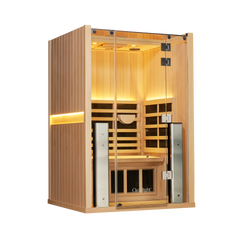
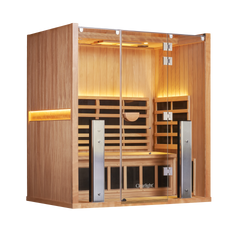
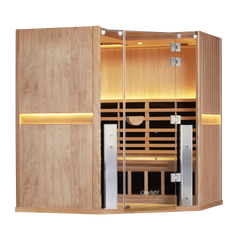
Clearlight® Saunas use advanced True Wave® heater technology, a patented combination of carbon and ceramic elements that delivers consistent, deeply penetrating infrared heat. Strategic placement of the heating elements along the entire length of the back and across the front core of the body ensures your body receives optimal coverage, efficiently and evenly raising core temperature.
The True Wave® system also minimizes electromagnetic fields, creating a safer and purer infrared experience. In the colder months, these innovations make each session particularly effective in supporting recovery, circulation, and overall well-being.


