

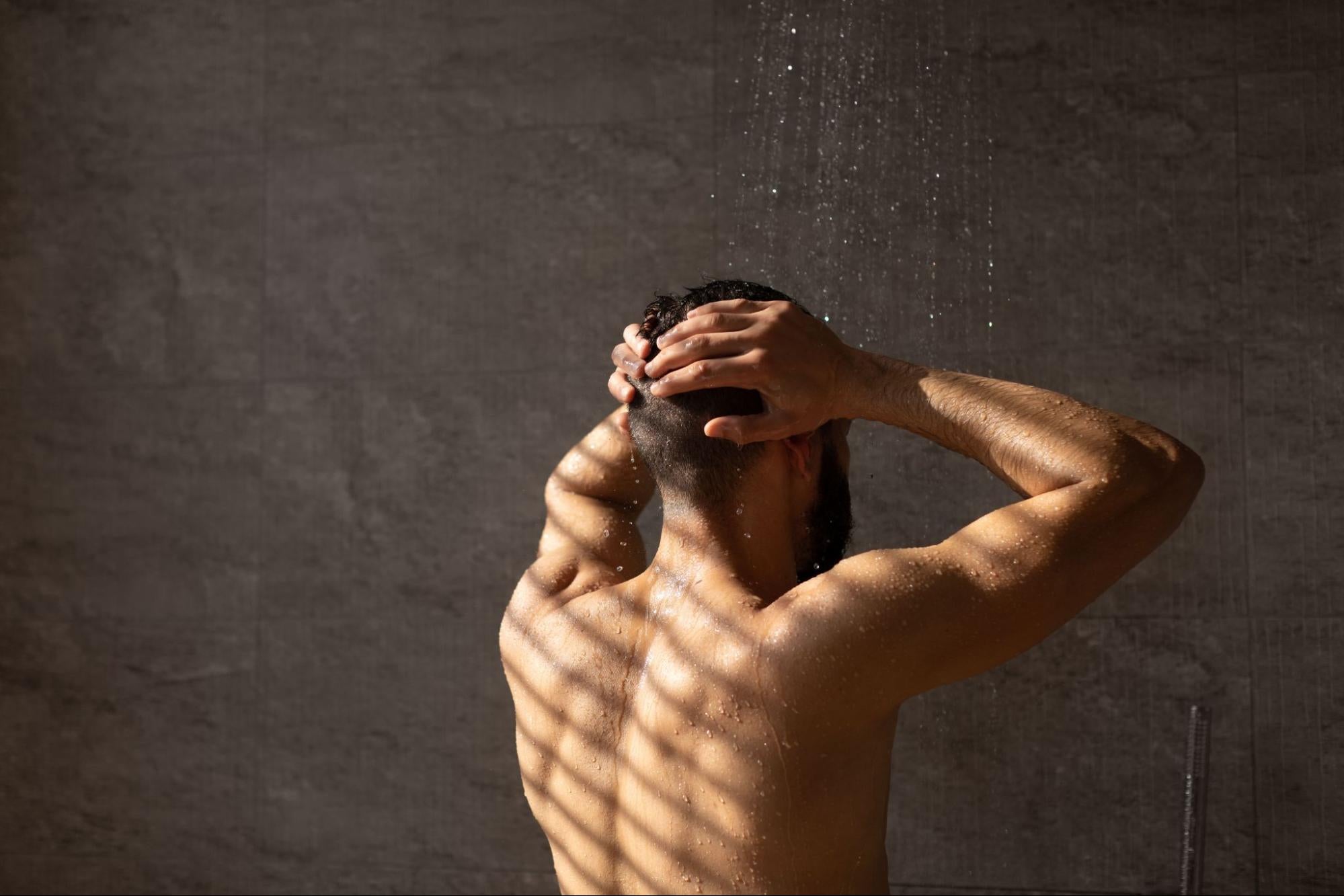
Showering after a sauna session is a central part of the sauna experience, as it optimally complements the positive effects on the skin, circulation, and immune system.
Replacing the intense heat of a sauna with a refreshing shower not only helps regulate body temperature but also promotes skin health and the immune system. At the same time, sweating in the sauna stimulates natural detoxification, which is optimally complemented by an appropriate showering routine after the sauna.
5 Reasons Why Showering After a Sauna is Essential
Here are the five main reasons why a cool bath or shower after a sauna session is so important.
1. Cooling Down the Body
During a sauna session, body temperature rises by up to two degrees, resulting in an intense warming of the body. The increased body temperature promotes sweating, dilates blood vessels, and stimulates circulation. However, a sudden transition to cold water can lead to shock, especially for beginners or people with sensitive circulation.
A gradual cooling down after the sauna helps to gently lower body temperature and stabilize circulation. A gradual cool-down with lukewarm water, followed by cooler water, allows for gentle circulatory regulation and minimizes the risk of dizziness. In addition, targeted cold showering after the sauna has a refreshing and revitalizing effect that perfectly completes the sauna experience.
2. Removal of Toxins
Sweating in the sauna is a natural detoxification mechanism of the body. Through the open pores, toxins, excess salts, and other waste products are transported to the skin surface. If these excreted substances are not thoroughly rinsed off, they can clog pores or cause skin irritation.
A thorough shower after the sauna, preferably without harsh soap, removes the excreted substances and protects the skin from impurities. Especially alternating showers promote skin cleansing and support the regeneration of skin cells.
3. Promoting Blood Circulation
The heat in the sauna dilates blood vessels and increases blood circulation, which can relieve tension and improve the oxygen supply to organs. The subsequent cool-down after the sauna causes the vessels to constrict, normalizing blood circulation again.
The interplay between heat and cold – also known as alternating showers – strengthens the vessels and has a positive effect on cardiovascular health. At the same time, it improves the elasticity of vessel walls and helps stabilize circulation after the sauna.
4. Skin Cleansing
During sweating in the sauna, pores open, allowing dirt, oil, and dead skin cells to be more easily removed. Proper showering after the sauna ensures that these impurities are gently rinsed away, allowing the skin to breathe freely.
It is often recommended to avoid soap or shower gel immediately after the sauna to not disturb the natural skin barrier. Cleansing after the sauna not only keeps the skin fresh but also makes it smoother and more resistant to external influences.
5. Strengthening the Immune System
The alternation between sauna heat and cold water effectively trains the immune system. The cold stimulates the production of white blood cells, which are responsible for fighting off pathogens. At the same time, the body learns to react better to changing environmental conditions.
Regular cooling down after the sauna strengthens the immune system and helps prevent colds. The combination of heat and cold acts like a fitness program for the immune system, making the body more resilient.

How Should You Shower After a Sauna?
Proper showering after a sauna session is key to maximizing the positive effects of the sauna. After heavy sweating in the sauna, your body needs a moment to stabilize before cooling down.
The order, water temperature, and duration of showering play a crucial role. In this part of the article, you will learn how to optimally utilize your bathing or showering ritual after a sauna session with suitable methods.
1. The Right Time
After a sauna session, the body should rest for a few minutes before you get into the shower. This short phase allows the body temperature to slowly decrease and the circulation to stabilize. An immediate jump into cold water can lead to shock, as the blood vessels are still dilated from the heat. Wait 2–3 minutes to avoid dizziness or unpleasant circulatory reactions.
2. The Ideal Water Temperature
A cold shower after the sauna is ideal, as it quickly lowers body temperature and sustainably stimulates blood circulation. Start with a water temperature below your body temperature – ideally 15–20 degrees Celsius – to achieve the desired cooling effect after the sauna. If cold water is uncomfortable for you, choose lukewarm water. It is important that the temperature is significantly below your body heat to stimulate circulation.
3. Optimal Shower Duration
After the sauna, a short but thorough shower is sufficient. A duration of 1–2 minutes is enough to rinse off sweat and refresh the body. Avoid long showers, as this can unnecessarily dry out the skin. A quick and vigorous rinse of the skin is the best method to cleanse pores and stimulate regeneration.
4. Technique for the Perfect Finish
When showering, start with your extremities, meaning your hands and feet, before moving on to your torso and head. This method reduces sudden cold shock and allows for gentler cooling after the sauna. Avoid vigorous scrubbing – a gentle rinse is sufficient to cleanse the skin and preserve its natural protective barrier.
5. Why You Should Avoid Shower Gel or Soap
After the sauna, you should avoid shower gel or soap. The sweat produced during the sauna session contains natural substances that leave a protective film on the skin. This protects the skin from drying out and maintains its natural barrier function. Simply rinse off the sweat with water to keep your skin fresh and healthy.
Health Tips for Your Sauna Shower
Proper behavior after a sauna session can not only increase your well-being but also maximize the health benefits of the sauna. Especially showering after the sauna offers numerous opportunities to optimally care for body and mind. Here are two essential tips you should consider for your next sauna visit.
Avoid Extreme Temperatures
While cold showers after the sauna are generally recommended, extremely low temperatures can be risky for people with cardiovascular problems. A sudden drop in temperature can severely strain circulation and lead to dizziness or even circulatory collapse. Instead of ice-cold showers, lukewarm water that can be slowly cooled down is recommended for sensitive individuals. This method preserves the positive cooling effect after the sauna without unnecessarily stressing the body.
For healthy individuals: A short, cold shower stimulates blood circulation, strengthens the immune system, and helps to quickly lower body temperature after the sauna.
Hydrate Sufficiently After the Sauna
A sauna session promotes the loss of fluids and minerals through intense sweating, which can lead to dehydration if not sufficiently counteracted. Therefore, drink enough water or unsweetened tea before and after the sauna to balance your fluid levels. As a rule of thumb: For each sauna session, you should drink at least 500 ml of water, depending on the intensity of sweating.
Sufficient hydration after the sauna not only supports the body's regeneration but also promotes healthy skin and stable circulatory function. However, avoid alcoholic beverages, as these increase fluid loss and further strain circulation.
Conclusion
By avoiding extreme temperatures and ensuring proper fluid intake, you ensure that your sauna visit remains not only relaxing but also safe and health-promoting. Integrate showering after the sauna as an integral part of your ritual to both promote your health and enhance your well-being in the long term.


Share:
Can a sauna and infrared cabin help with stress?
How an infrared sauna can help you with a cold