

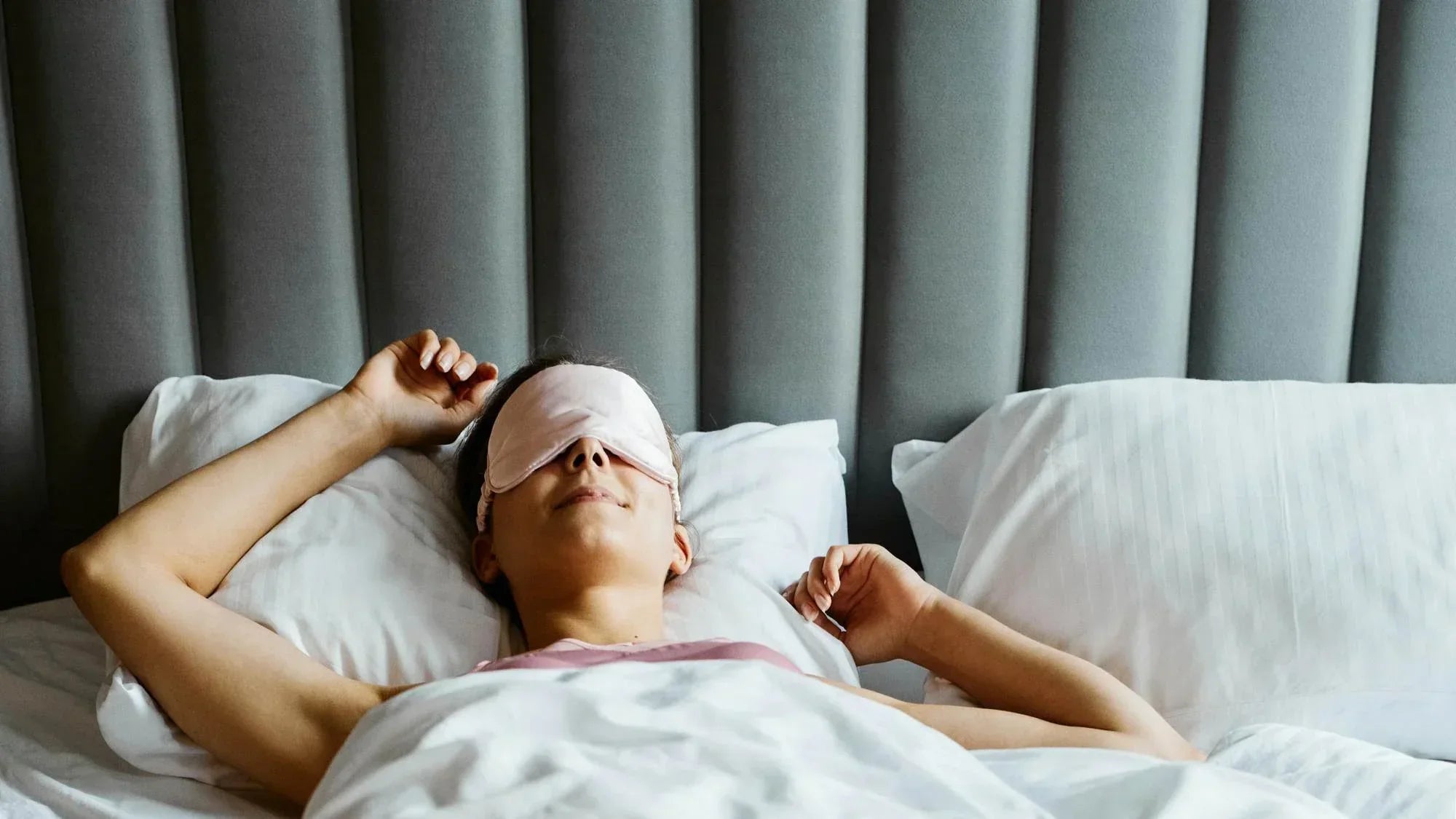
Why Sleep Is So Important: The Foundation for Health and Well-Being
We spend about a third of our lives asleep. It’s no longer a secret that it’s essential for our health, but it influences far more than just our energy levels. A restful night is crucial for both body and mind to function. But how exactly does it work, and why are scientists, health experts (and our mothers) so convinced of the importance of high-quality sleep?
During sleep, we go through different phases, particularly REM (Rapid Eye Movement) and non-REM sleep. Both have their own functions, but recent studies show that the deep sleep phase (non-REM) is particularly important for sleep quality.
Have you ever felt mentally sluggish after a bad night's sleep? You're not alone. Sleep plays a central role in the functioning of our brain. It ensures what is known as "brain plasticity," which is the brain's ability to adapt and respond flexibly to new information. If we don't get enough sleep—whether due to our own sleep habits or nocturnal interruptions—our brain becomes less flexible and has difficulty processing and storing information. This can lead to reduced memory performance.
But that's not all: sleep deprivation can also have serious health consequences. A weakened immune system can make you more susceptible to illnesses and infections. The risk of high blood pressure and depression could increase, and disrupted metabolic health can in turn impair hormonal balance and the entire endocrine system.
How does the sauna fit into this picture? Can regular sauna sessions help sustainably improve sleep quality? Here are three scientifically supported ways a sauna can contribute to restful sleep and boost your overall well-being.
The Science Behind the Sauna: How Heat Therapy Affects Sleep

Heat Therapy Is a Natural Sleep Aid
According to neurologist and sleep specialist Dr. Chris Winter, both core body temperature and skin surface temperature increase during sauna use – the latter can even rise above 40 °C. This warming activates the body's thermoregulatory system: blood circulation is promoted, sweating begins – the body starts to cool itself down.
After a sauna session, natural cooling begins, and body temperature returns to the normal level of about 36–37 °C. This drop in temperature resembles the natural rhythm of our body in the evening as it prepares for rest. This can support the process of falling asleep.
Dr. Winter, author of The Sleep Solution and The Rested Child, explains:
“When our body temperature drops quickly, it's a natural trigger for falling asleep.”
He goes even further:
“If we amplify this temperature difference by leaving the sauna, it can lead to us falling asleep even faster.”
Dr. Winter explains more about this in the Sleep Unplugged podcast.

Relaxing Effects of Sauna
According to Dr. Paul Daidone, Medical Director of the True Self Recovery treatment center, our body responds to high temperatures with vasodilation, which is the widening of blood vessels. This increases blood flow to the muscles, promotes oxygen transport, and helps relieve muscle tension. That's why many athletes use sauna sessions specifically for muscle recovery and relaxation after intense workouts.
Furthermore, studies show that sauna sessions can promote the release of β-endorphins ( Kukkonen-Harjula & Kauppinen 1988; Vescovi et al 1992). These "happiness hormones" are known for their euphoric feeling – often described as a "runner's high" (Basso & Suzuki 2017).
Another effect of vasodilation is the release of serotonin (Vanhoutte 1987). This hormone regulates mood, promotes relaxation and well-being – and plays a key role in healthy sleep (Bakshi & Tadi 2022).

Stress Reduction: Rest for Body and Mind
A relaxed mind is just as important as a relaxed body when it comes to restful sleep. This is where the parasympathetic nervous system comes into play – often referred to as the "rest and digest system."
Biochemist Dr. Rhonda Patrick, a renowned scientist in this field, reports on the benefits of sauna for sleep. According to Dr. Patrick, many regular sauna users report lower stress and anxiety levels as well as improved mental clarity.
In her podcasts and articles, she emphasizes that saunas play a central role in a holistic approach to mental well-being. More on this can be found in her episode on Heat Therapy and Slow-Wave Sleep.
Sauna use also bears some resemblance to mindfulness and meditation: it is a relaxing ritual that calms both body and mind, thus promoting sleep.
Our Best Tips for Better Sleep with the Sauna
So, what can you do to get the most out of your sauna for restful sleep?
✔️ Post-Sauna Cool-Down Phase
Use the sauna about two hours before bedtime, giving your body enough time to regulate itself and fully utilize all the positive effects.
✔️ Shorter Sessions for Better Sleep
Studies show that shorter sauna sessions (10–20 minutes) are associated with better sleep patterns, while longer sessions tend to offer more physical benefits.
✔️ Don't Forget Hydration
During a sauna session, the body loses a lot of fluid. Therefore, it is important to drink enough water before and after the session to avoid dehydration, which could impair sleep.
✔️ Establish Routines
A relaxed evening routine is the key to restful sleep. This includes:
- Dimmed lights in the evening
- Avoiding screens and blue light
- Calm activities such as reading, meditation, or gentle stretching
(Putkonen & Elomaa, 1976; Partinen, 2006.)
Conclusion: Optimize Your Sleep with the Sauna
Sleep is the foundation for almost all aspects of our health. We hope this article has clarified the central role sleep plays in our daily lives – and how regular sauna use can potentially contribute to improving sleep quality.
With the insights and strategies from this post, you can purposefully use the benefits of heat therapy for restful sleep, deeper regeneration, and an all-around balanced life.
Because: A rested body and a clear mind are the key to a healthy, fulfilling life.
Important Note
Clearlight notes that this information does not constitute medical advice. Please consult a qualified physician or healthcare practitioner before making significant changes to your lifestyle or existing pain treatment.


Share:
Die tatsächliche Wirkung von Infrarot auf die Wohlbefinden
Why infrared saunas before bed can improve sleep quality