
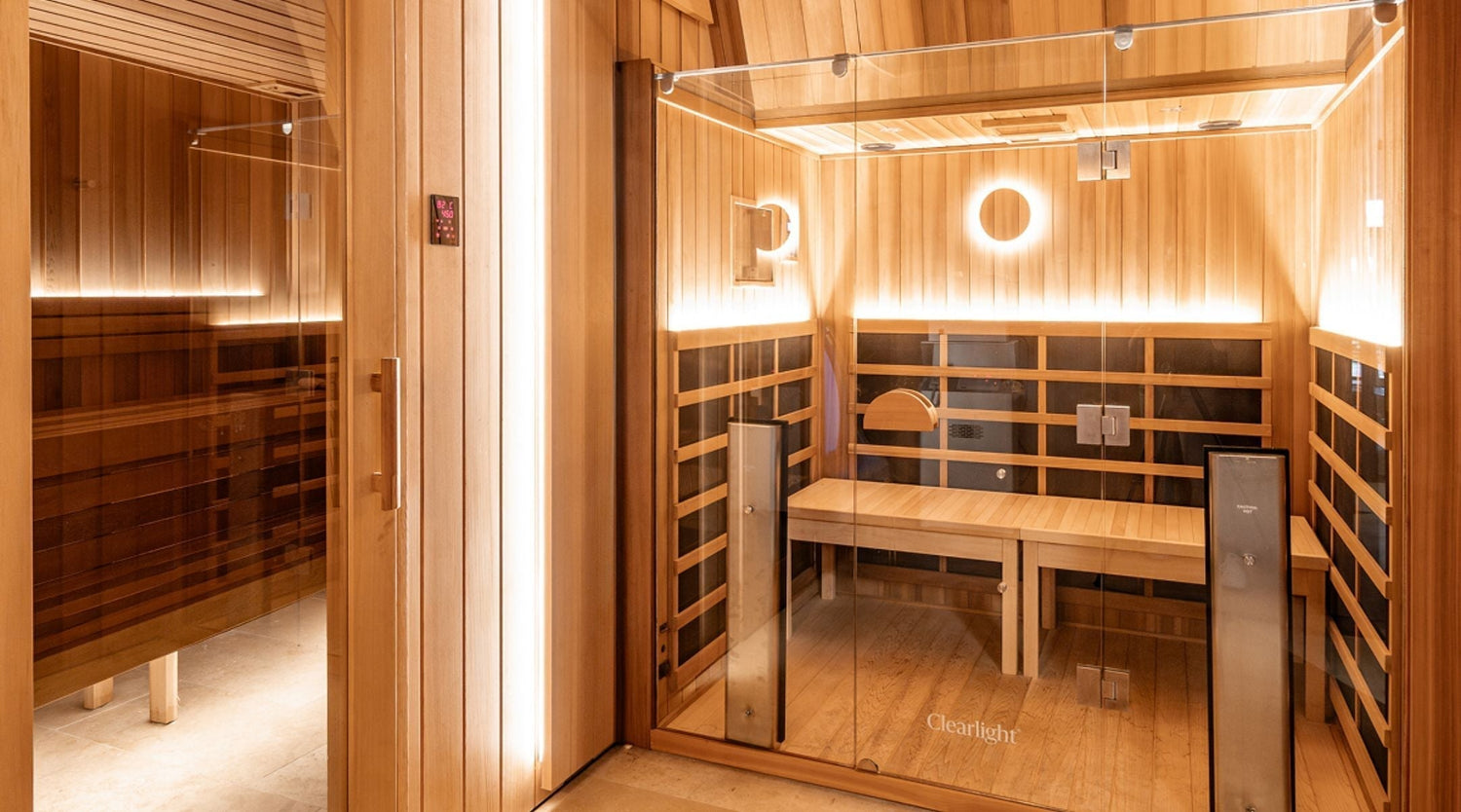
When it comes to choosing a sauna, the debate often comes down to infrared saunas versus traditional saunas. Both offer unique experiences and benefits, but the way they deliver heat and how that affects your body differs significantly.
Some people enjoy the hot, humid air of a traditional sauna, while others prefer the gentler, lower temperatures of an infrared sauna, which can be more comfortable for longer sessions. While personal preference plays a role, there is scientific reasoning behind why infrared saunas may provide a more efficient and enjoyable experience.
A Brief History of Saunas
Traditional saunas have existed for thousands of years, with early structures appearing in Northern Europe around 2000 BC. Sauna bathing played an important role in ancient cultures, promoting relaxation and community rituals.
Infrared saunas emerged in the late 1800s, with John Harvey Kellogg experimenting with Incandescent Light Baths. Far-infrared heaters were later adopted in Japan during the 1960s for therapeutic use. Today, infrared saunas are popular worldwide, offering a modern approach to heat therapy.
How Saunas Heat the Body
Traditional Saunas
Traditional saunas heat the air using wood-fired or electric heaters with stones, and often steam is created by pouring water over the hot rocks. The hot air then raises your skin and core temperature, a process called convection heating. This can feel intense, and higher temperatures do not necessarily mean more benefits. Studies suggest that raising core body temperature is what provides wellness effects, not just hot air.
Infrared Saunas
Infrared saunas work differently. They use infrared light to penetrate the skin and gently raise your core body temperature without needing extremely hot air. This makes sessions more comfortable, energy-efficient, and suitable for people sensitive to heat. Infrared heat warms you from the inside out, targeting muscles and tissues directly, while keeping the cabin at a moderate temperature.
Comparing Sauna Experiences
Traditional Sauna Sessions
High heat and humidity create a strong sweat response
Sessions are often shorter due to intense temperatures
Pouring water on hot rocks adds to the cultural experience
Can feel challenging for those sensitive to heat
Infrared Sauna Sessions
Gentle, dry heat allows for longer sessions
Lower ambient temperature keeps you comfortable
Energy-efficient and quick to maintain core warmth
Dry environment avoids excess moisture near electrical components
| Feature | Infrared sauna | Traditional sauna |
|
Heat type |
Directly heats the body |
Heats the air around you |
|
Cabin temperature |
Comfortable, moderate |
Very hot, high humidity |
|
Session length |
Longer, gentler |
Shorter, more intense |
|
Energy use |
Efficient |
Higher electricity use |
|
Experience |
Meditative, minimal noise |
Rituals like pouring water on stones |
Health and Wellness Benefits
Both sauna types fall under heat therapy, which can support relaxation, reduce everyday muscle tension, and promote a sense of well-being. Infrared saunas offer similar benefits to traditional saunas but are generally more comfortable and efficient, making them ideal for regular use.

Infrared Sauna Benefits
- Supports relaxation and stress relief
- Helps ease everyday muscle tension
- Promotes a sense of revitalisation
- Supports healthy-looking skin
- Aids post-activity comfort
- Encourages feelings of energy and vitality
- Supports healthy sleep patterns
- Promotes overall mental well-being
The health benefits of a sauna come from raising core body temperature, not the air temperature itself. Infrared saunas do this efficiently and gently, making them suitable for longer sessions.
Cost and Running Considerations
Infrared Saunas
Generally cheaper to purchase, assemble, and maintain
Lower running costs, with small models using just over one dollar per hour
Plug-and-play setups are easy to install
Traditional Saunas
Higher purchase and installation costs, often twenty thousand dollars or more for premium models
Require structural build, professional electrical work, and ventilation
Higher electricity use, especially for regular sessions
Choosing the Right Sauna

Ultimately, the best sauna depends on your personal preference, comfort, and lifestyle. Traditional saunas offer a classic, high-heat experience and cultural rituals, while infrared saunas provide efficient, comfortable, and versatile heat therapy that may suit modern living.
Clearlight® True Wave® Heater Technology
At Clearlight®, our infrared saunas are designed to efficiently heat the body without extreme cabin temperatures, supporting relaxation, recovery, and general wellness.
As long-standing innovators in the space, we hold multiple patents across the heating systems used in our saunas. At the centre of this is our proprietary True Wave® heater technology, used across both our Far Infrared and Full Spectrum ranges. True Wave heaters combine two established infrared heating materials, carbon and ceramic, to deliver a more balanced and consistent infrared output. We also developed the first virtually no EMF combination carbon and ceramic heater design, engineered to significantly reduce electromagnetic fields and support a safer, more considered infrared sauna experience.
If you are ready to experience a sauna that combines comfort, efficiency, and modern technology, contact us to explore the Clearlight® range today.